
Disclosure: If you buy through links on our site, we may earn an affiliate commission at no extra cost to you.
Tips on selecting a safe crib, creating a comfortable sleep environment, and reducing the risk of SIDS.
By combining a safe crib, a cozy sleep setup, and SIDS prevention strategies, you can create a secure haven that promotes healthy sleep habits for your newborn.
Choosing the right crib and sleep environment is essential for your baby’s safety and restful nights.
Newborns sleep up to 16 hours per day, so a secure sleeping area is essential. A baby crib should have a firm mattress and several fitted sheets. Keeping the crib bare (no pillows, loose blankets, bumper pads, or stuffed animals) reduces suffocation hazards and the risk of sudden infant death syndrome (SIDS). A bassinet is useful for the early weeks, but you’ll still need a crib for long‑term sleep.
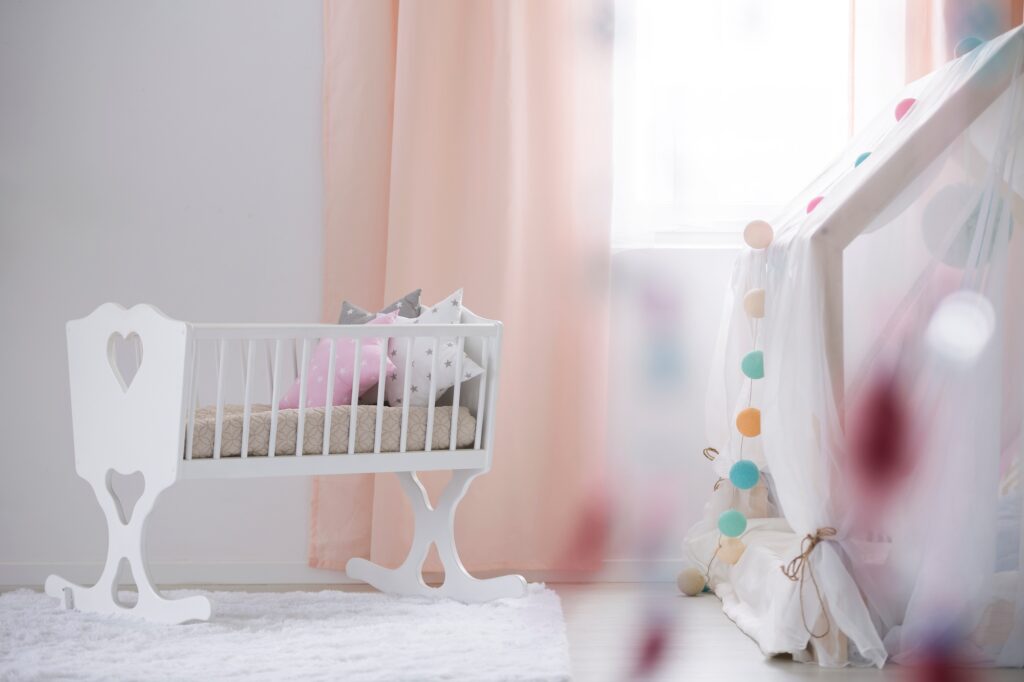
Crib Safety and Sleep: How to Choose the Perfect Haven
Choosing the right crib and sleep environment is essential for your baby’s safety and restful nights.
1. Selecting a Safe Crib
- Look for cribs that meet current safety standards, with sturdy slats and secure hardware.
- Avoid drop-side cribs and anything with sharp edges.
- Ensure the mattress fits snugly without gaps.
2. Creating a Comfortable Sleep Environment
- Use a firm mattress with a fitted sheet.
- Keep the room at a comfortable temperature, ideally between 68–72°F (20–22°C).
- Minimize noise and bright lights to help your baby sleep peacefully.
3. Reducing the Risk of SIDS
- Always place your baby on their back to sleep.
- Keep soft objects, pillows, and blankets out of the crib.
- Use a sleep sack or wearable blanket instead of loose blankets.
By combining a safe crib, a cozy sleep setup, and SIDS prevention strategies, you can create a secure haven that promotes healthy sleep habits for your newborn.
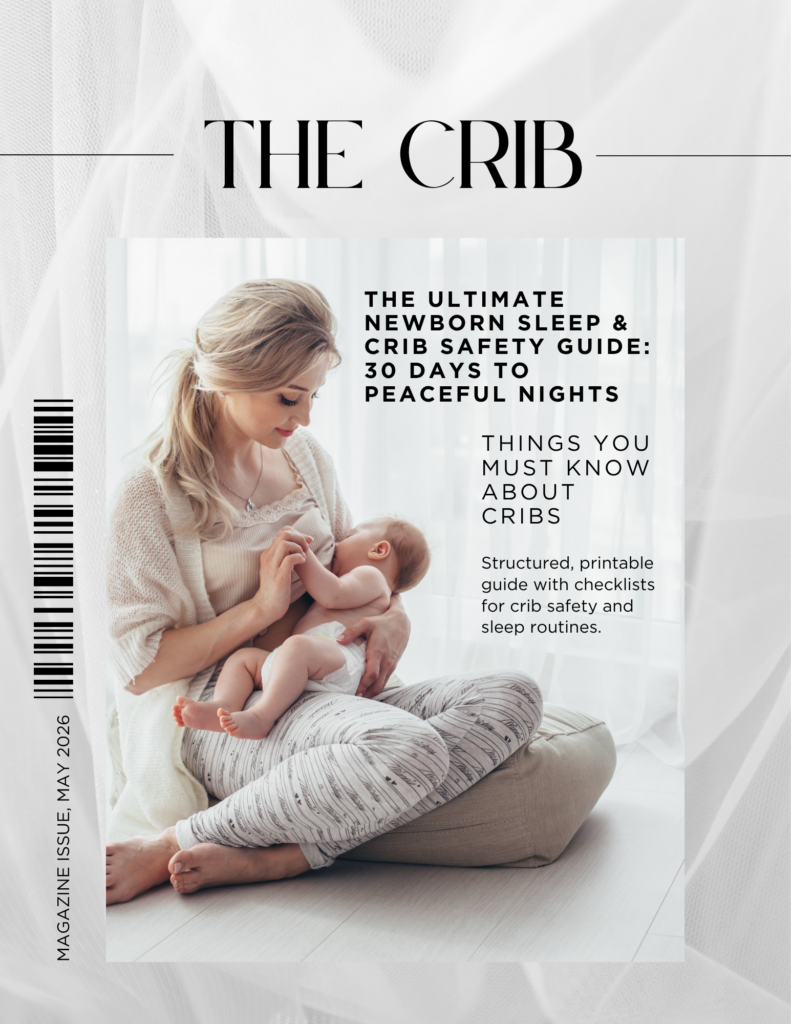
Yes, I Want To Get My Copy
Why parents want this:
- Offers parents a structured, printable guide with checklists for crib safety and sleep routines.
- Includes tips on reducing SIDS risk, sleep schedules, and nighttime routines.